The Global Research Network on Parliaments and People (GRNPP) aims to deepen our understanding of the relationship between political institutions, politicians, and those they claim to represent through anthropological, ethnographic and inter-disciplinary approaches to research, partnerships and engagement. Co-ordinated by Emma Crewe, and sustained by an international cohort of Fellows, partners, and advisors, we are supported by the European Research Council and UKRI. Our library of outputs showcases research by scholars, activists and artists we have supported in Bangladesh, Brazil, Ethiopia, Fiji, Myanmar, the UK and the US.
GRNPP was originally established as part of the ‘Deepening Democracy’ project (2017-2021), a collaboration with the Hansard Society, which was funded by the Arts and Humanities Research Council and the Global Challenges Research Fund, to create interdisciplinary research opportunities and support research capacity development in Ethiopia and Myanmar. Our partners’ research and outputs library demonstrate the talent of national scholars and artists in those two countries.
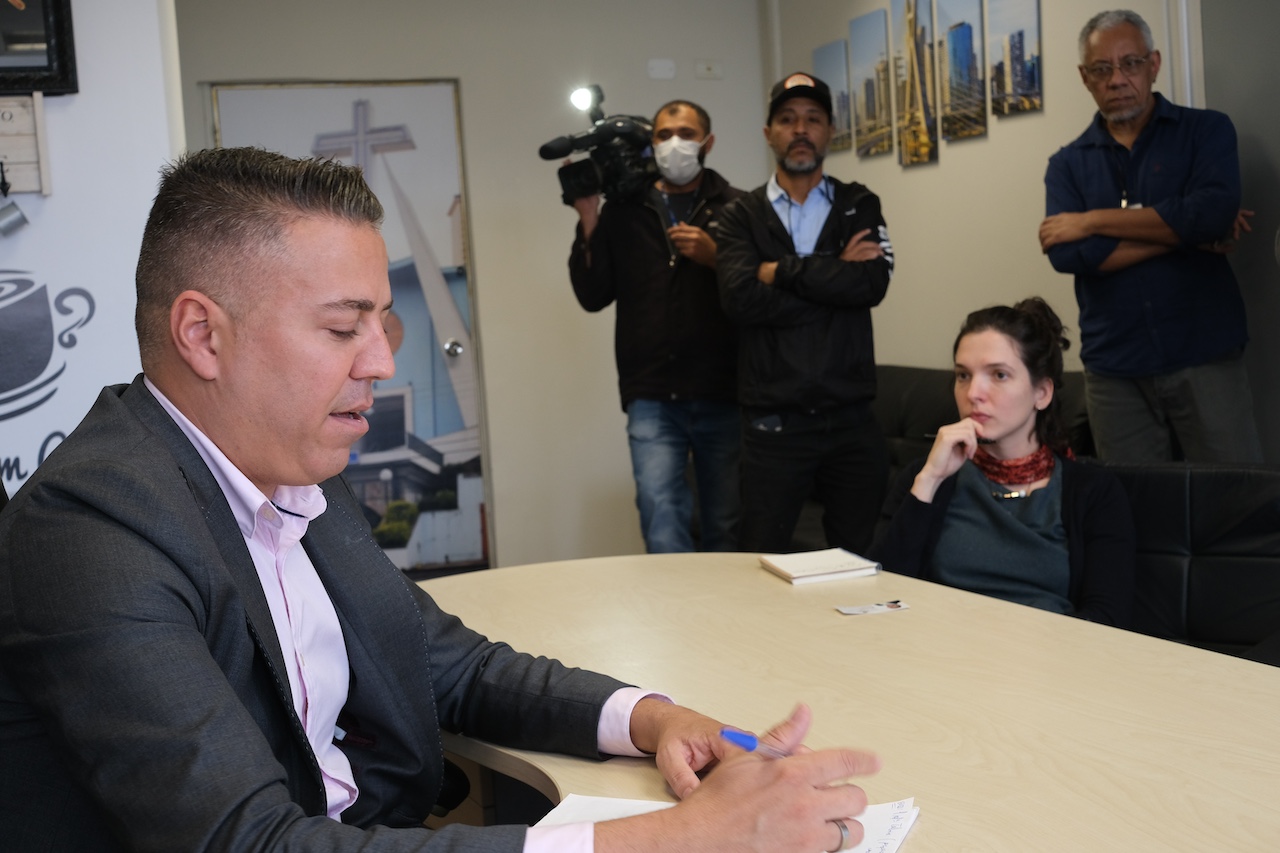
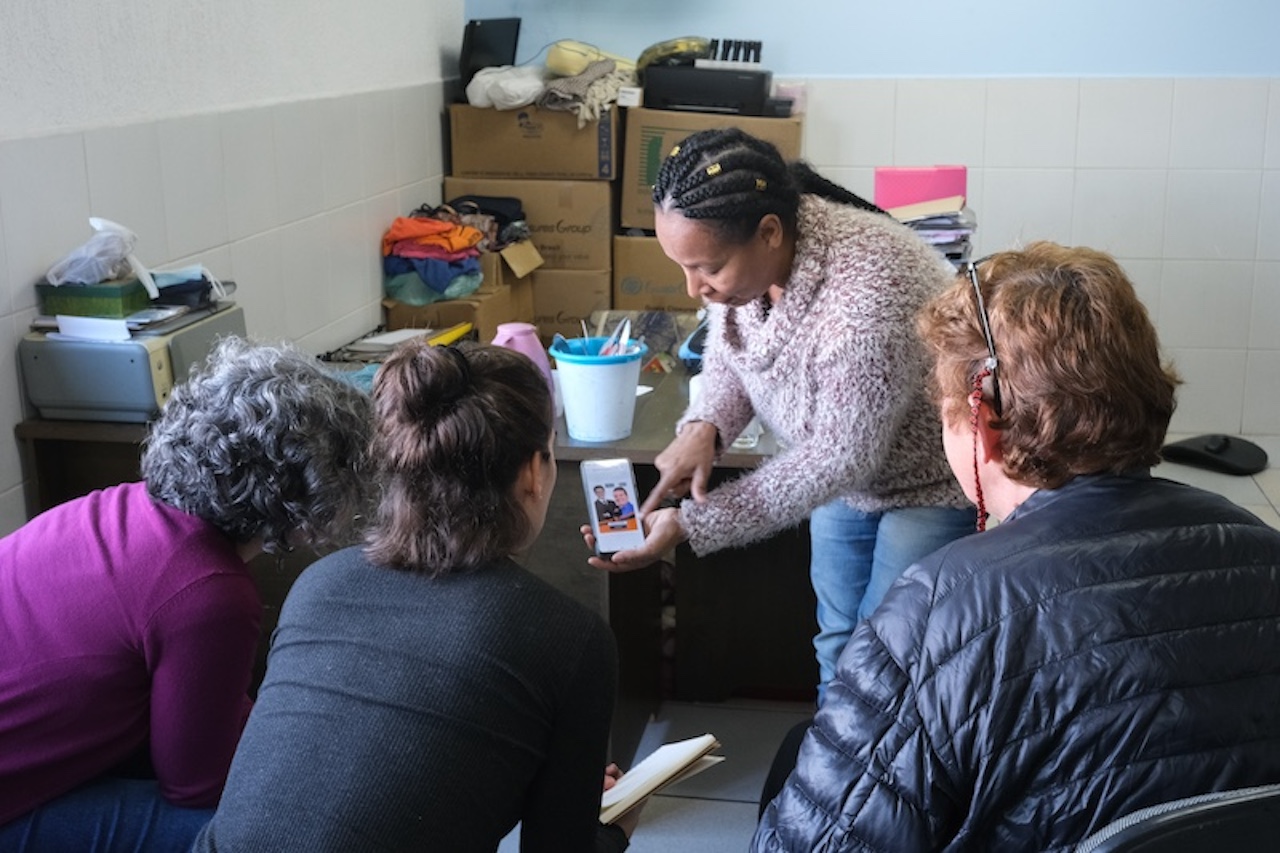
GRNPP has remained focused on researching the relationship between parliaments and people but has since widened its scope and activities. With a major European Research Council Advanced Grant (2019-2024) scholars and film-makers undertook comparative research on parliaments or councils in six countries, innovating new forms of collaborative and visual ethnography.
GRNPP also engages in advocacy to mobilise global voices in academic, creative industry and policy-making environments. With support from the Arts and Humanities Research Council, the Mursi community in Ethiopia, the South Omo Theatre Company, Addis Ababa University and GRNPP have been in partnership since 2023 to facilitate Mursi-led research, film-making and advocacy to create alliances with their neighbours as well as their own and other governments. In 2025 Mursi community members created a new NGO – Omo Pastoralist Empowerment and Nurture (OPEN) – to enable pastoralist societies to enhance self-esteem, resilient livelihoods and access to services. They work within existing local structures and cultural contexts, providing and supporting community-led development initiatives.