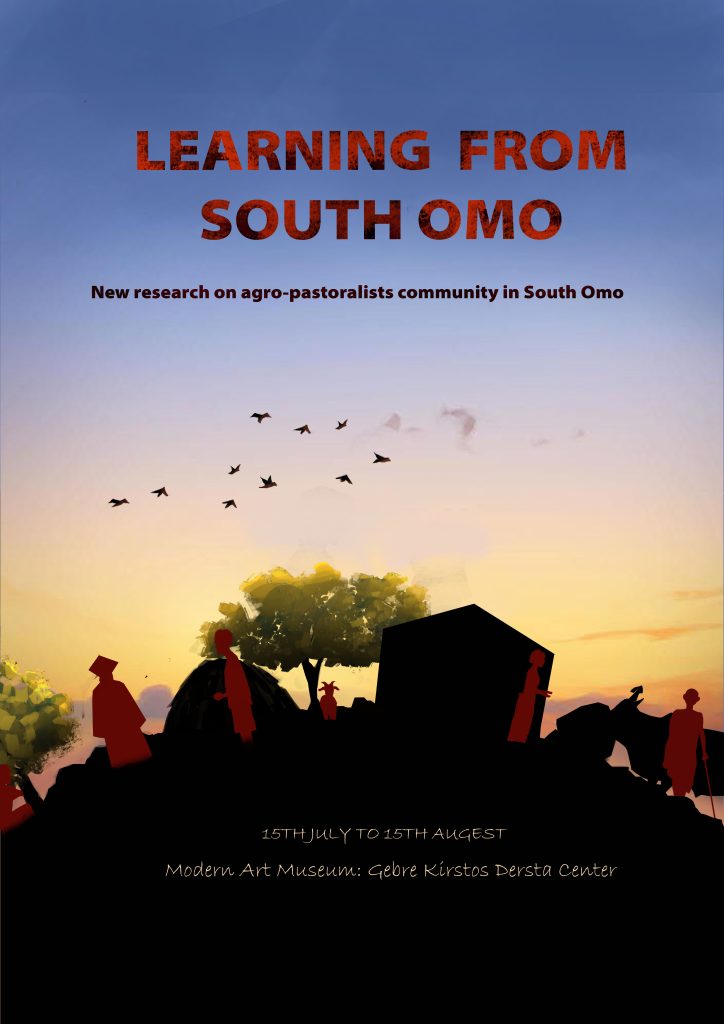
Agro-Pastoralists leading action research
The inhabitants of the South Omo Zone, a lowland area close to the borders with Kenya and South Sudan, have faced rapid and unprecedented development in recent decades. Customary livelihoods – based on combinations of animal herding, small-scale agriculture and shifting cultivation – are being undermined by land-grabbing for sugar plantations, national parks and hydro-electric projects. Agro-pastoralist communities such as the Hamer, Nyangatom and Mursi are viewed as the final remnants of a disappearing world. Yet, far from lacking agency or knowledge, the people of South Omo present alternative narratives about their aspirations for development and worries for the future. The richness in expertise derives from their daily experience of their localities but also deep reflection on how it is changing.
Agro-pastoralist led action research has emerged from two programmes: Mursi Encounter Others (MEO) and Agro-Pastoralists Educate Others (APEO). Supported by SOAS University of London, the Institute of Peace and Security Studies at the University of Addis Ababa, and the South Omo Theatre Company, more than seventy research projects covered a wide range of subjects. Topics were devised and projects led by researchers representing the Arbore, Banna, Bodi, Daasanach, Mursi, Nyangatom and Hammar communities. All results are wholly owned by the researchers themselves and appear here with their permission: this is research about people in South Omo, by people in South Omo, and for people in South Omo. This coalition was funded by the Arts and Humanities Research Council.
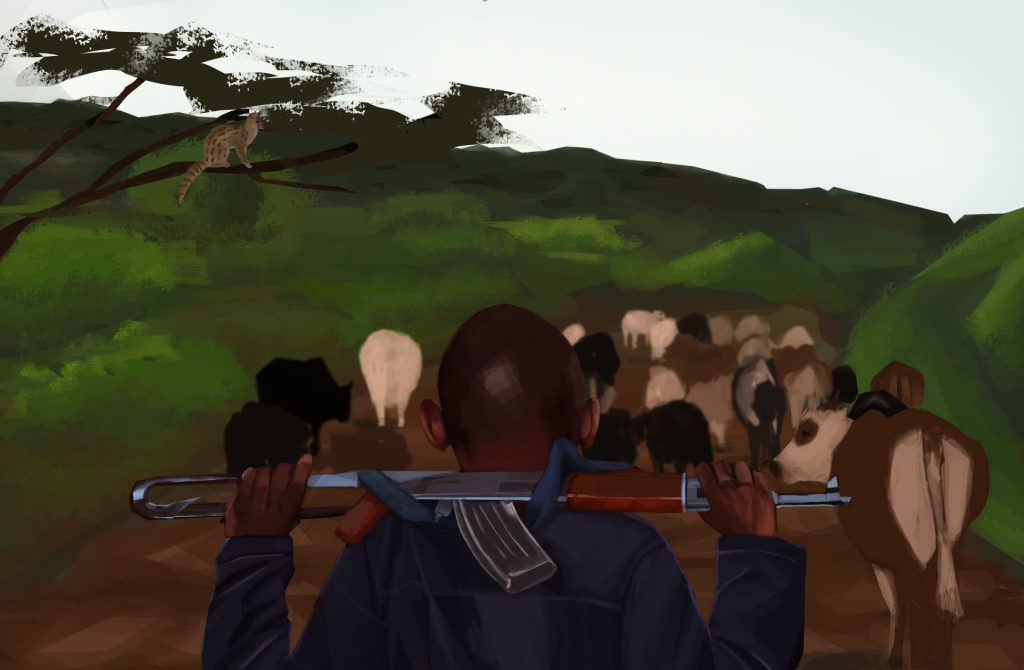
One of our Mursi grantees (Barkede Kulumedere) and Mursi anthropologist researcher (Bardoley Tula) have established the first Mursi-led NGO: Omo Pastoralist Empower and Nurture, and they are currently implementing the research recommendations. Their immediate aim is to revitalise health and education services across Mursiland, see the Mun-HOPE project below. (All featured images by Bethel Kebede Instagram: @bethel.k.art)
Mun Basic Healthcare Outreach Project (Mun-HOPE)
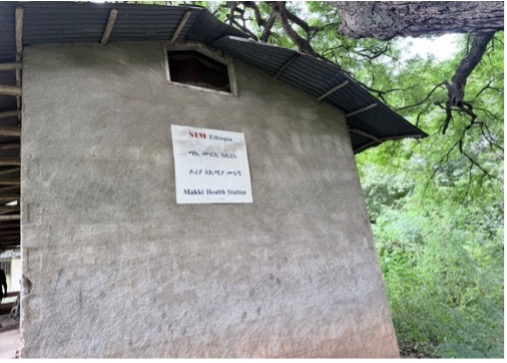
The total absence of the healthcare provision in Mursiland remains one of the biggest challenges for this community of over 12,000 women, men and children. This absence, the remoteness of Mursiland, and lack of public transport or roads for ambulances means when a Mursi family faces illness or a medical emergency, they have no options for professional treatment, care or advice. Children are particularly vulnerable to preventable diseases, so child mortality is shockingly high.
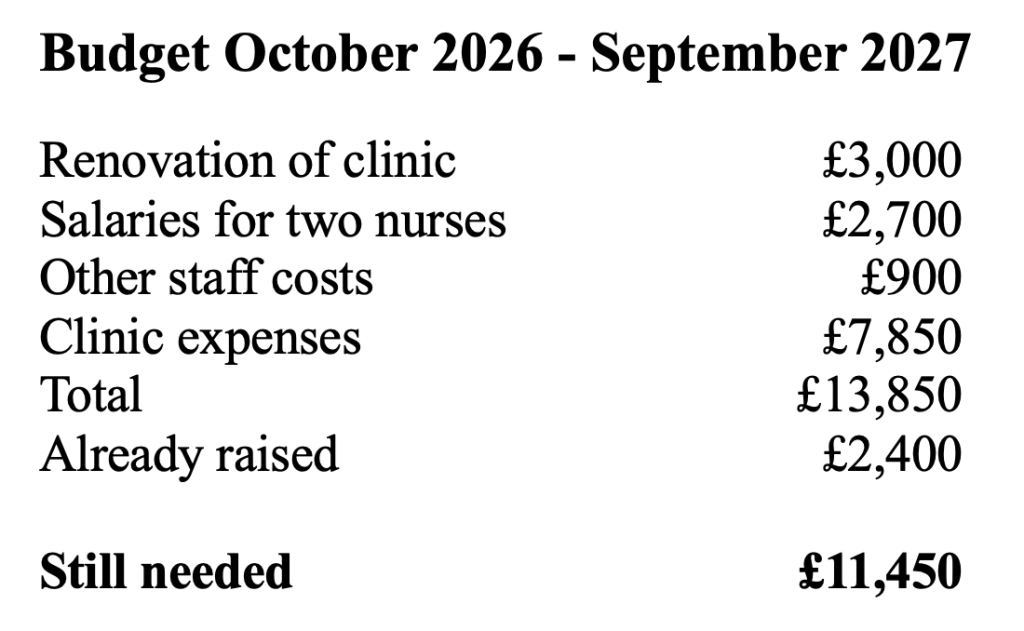
The first Mursi-led NGO, Omo Pastoralist Empowerment and Nurture (OPEN), is developing a strategy for restoring the capacity to deliver primary healthcare for the Mursi community. Following a baseline needs assessment, they are establishing infrastructure, training and supporting local healthcare workers to set up the local delivery of healthcare. OPEN is focusing on an immediate and practical intervention to re-establish basic health care by renovating a clinic within Eastern Mursiland. The Mun Basic Healthcare Outreach Project (Mun-HOPE) will collaborate with the local government, and seek support and advice from international partners, to reopen the Makki clinic, which was originally set up by missionaries but has been unused since 2022. OPEN will renovate the clinic, hire two nurses, purchase a refrigerator, install solar panels and offer healthcare services, while local government supplies equipment and medicines.
Would you consider donating to this initiative? All proceeds go 100% to the clinic. We will report on progress on this website every four months so you can track how it goes and who benefits. Donations can be made via the international NGO Heath poverty Action UK which will transfer the funds to OPEN. Please donate on the HPA website, giving the reference: ‘MUN-HOPE’
* ‘Mursi’ is the name used by outsiders, ‘Mun’ is the word in their own language.
Mursi Encounter Others
The Mursi (or Mun), a group of agro-pastoralists living in the Lower Omo Valley of southwestern Ethiopia, have found encounters with outsiders mostly painful, and often violent, in tune with most indigenous groups globally. Mursi customary livelihoods – cattle herding and shifting cultivation – are being undermined by tourism, industry and hydro-electric projects. Climate change further upsets the delicate ecology of the region. Access to healthcare, education, clean water and transport is extremely limited. Seen as dangerous and backward by many visitors, from their perspective outsiders attack and even kill them, steal their cattle and land, damage their environment, and photograph them with disdain. Since 2023 members of the Mursi community have undertaken research that promotes more positive encounters with the outside world. The underlying logic for research, knowledge exchange and impact has been developed by innovators among the Mursi that puts them into key leadership positions. The goal was to improve the relationship between the Mursi and outsiders from their perspective, transforming the terms of engagement with researchers, practitioners and policymakers, so that the Mursi can secure more peaceful, economically viable and environmentally safe futures.
Agro-Pastoralists Educate Others
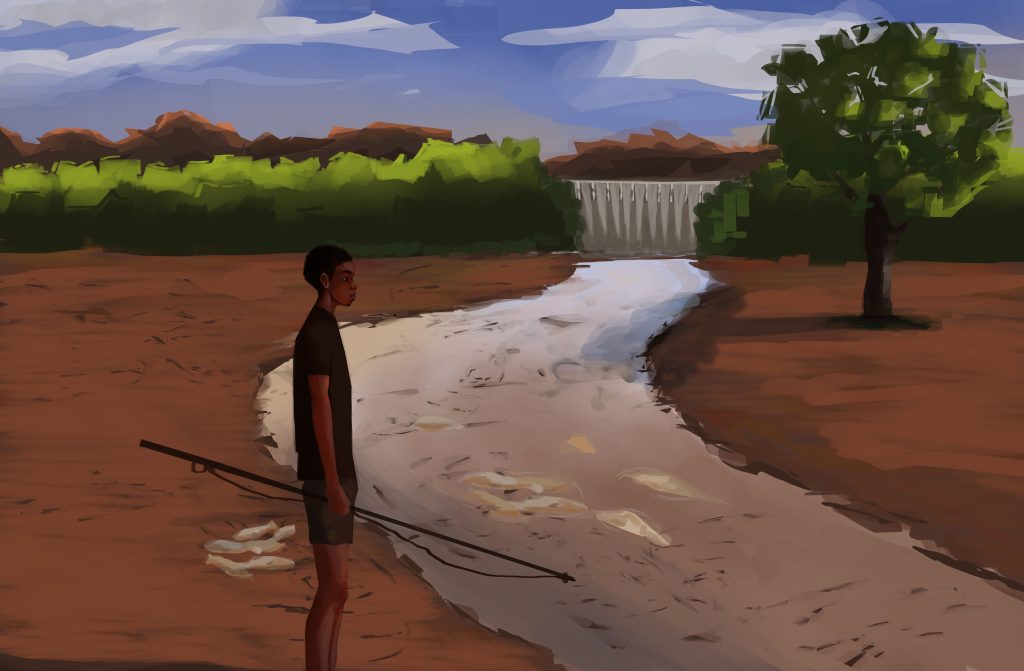
Learning lessons from the MEO programme, Agro-Pastoralists Educate Others (APEO) extended opportunities for locally led research and advocacy to other marginalised ethnic groups in South Omo including Arbore, Dasenech, Hamer, Banna and Nyangatom. More than twenty small grants have been awarded on a competitive basis to allow local researchers to document the complex and little-know lives, livelihoods, culture and challenges of marginalized ethnic groups of South Omo Zone. Research topics, needs and advocacy messages have been determined by the researchers themselves. A key programme legacy is the establishment of a sustainable network of agro-pastoralist researchers able to engage and communicate with policymakers and advocate for change at regional, national and international levels. With 2026 designated by the United Nations as the International Year of Rangelands and Pastoralism there is no better time to support a movement for the voices of people in South Omo to be heard. You can read more about some the projects by clicking on the button below.
Learning from South Omo – Exhibition
Research findings from South Omo have been produced by the two research programmes explained above: Mursi Encounter Others (MEO) and Agro-Pastoralists Educate Others (APEO). More than seventy research projects about challenges and possible solutions were devised and projects led by researchers representing the Arbore, Banna, Bodi, Daasanach, Mursi, Nyangatom and Hammar communities. All results are wholly owned by the researchers themselves and appear here with their permission. This coalition between SOAS, IPSS and South Omo Theatre Company was supported by the Arts and Humanities Research Council. Findings from the MEO and APEO programmes were presented in a series of events and workshops in Dimeka (South Omo Zone), Jinka (Ari Zone) and at Addis Ababa University in July and August 2025. From 15 July to 15 August 2025 the research findings from South Omo were exhibited at the Modern Art Museum of the Gebre Kristos Desta Centre in Addis Ababa. The exhibition was also shown in the SOAS Gallery London from October to December 2025 and can be viewed by clicking on the button below.